
Foundational Stones
WHERE I STAND
Faith. Family.Positive Culture. Educational Attainment. Community Engagement. Economic Self-Sufficiency.
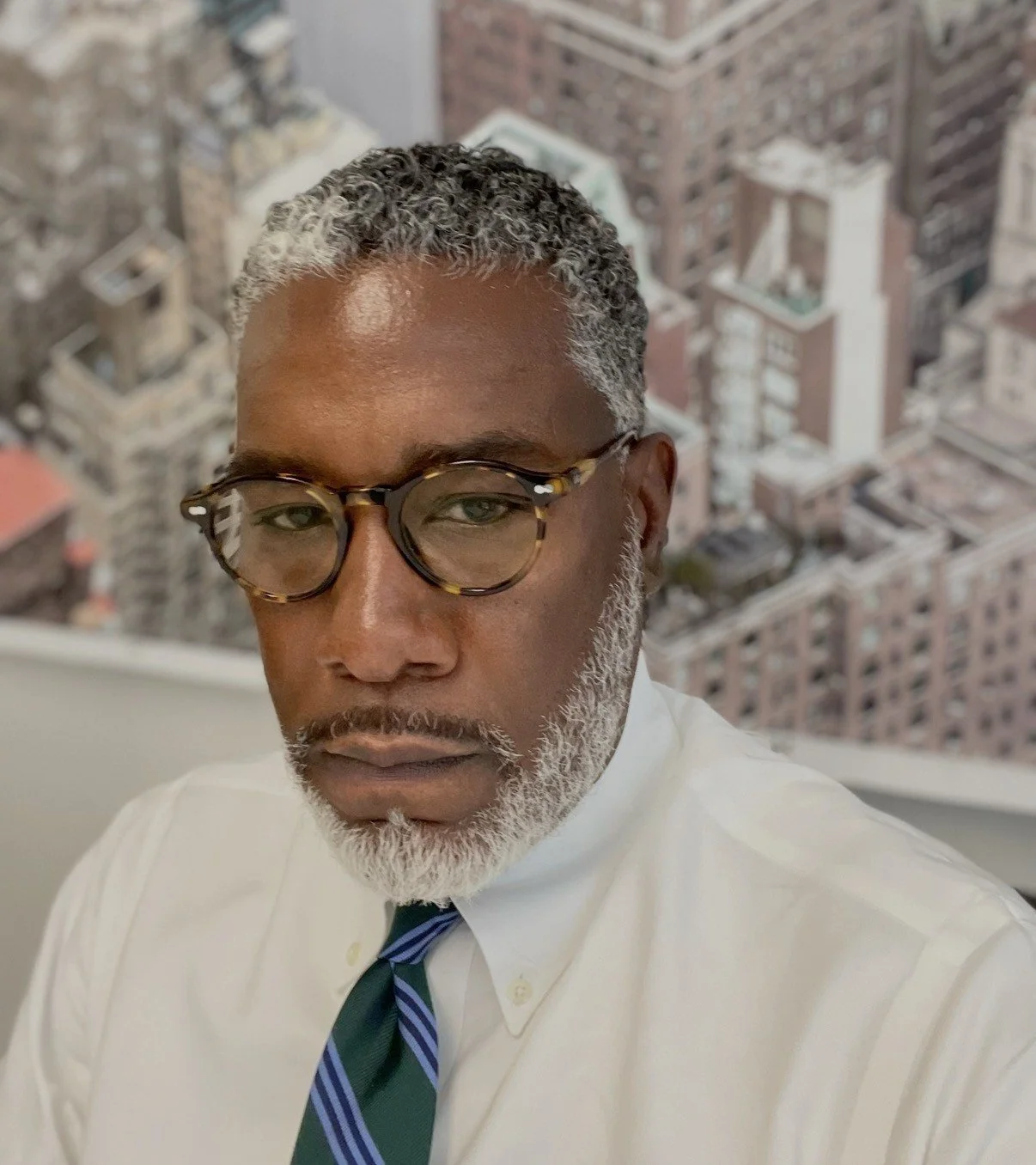
For more than forty years, I have worked at the intersection of faith, politics, education, culture, and community life. I have been a student activist, a Black nationalist, a Nation of Islam minister, a Christian pastor, an educator, a community organizer, a candidate for public office, and a media commentator.
That journey has taught me that no ideology possesses all the answers exclusively. Experience has also taught me that lasting progress requires more than protest, government programs, or inspiring rhetoric. Strong communities are built through strong families, effective schools, safe neighborhoods, thriving faith-based institutions, responsible leadership, economic ownership, and institutions that transmit faith, knowledge, discipline, and hope from one generation to the next.
I remain committed to civil rights, equal opportunity and economic fairness. I also believe that Black America must defend private property, encourage entrepreneurship, rebuild families, restore moral leadership, and resist political movements that weaken the institutions and values our community worked so hard to create.
These principles guide my public work.
FAITH AND MORAL RENEWAL
Faith has always been one of the foundational sources of strength in Black America. The Black church did more than provide a place to worship. It educated children, developed leaders, supported families, established businesses, challenged injustice and sustained our people through slavery, segregation and discrimination.
Today, the Black church must continue its historic work for justice, but it must also recover its responsibility to teach personal morality, family responsibility, self-discipline, forgiveness, stewardship and accountability.
I reject the false choice between addressing social sin and addressing personal conduct. We must confront racism, poverty, inequality and unjust institutions. We must also teach people to accept responsibility for their decisions, honor their obligations and live according to moral standards.
Political activism without spiritual grounding can easily become anger without direction. Faith reminds us that every human being possesses God-given dignity, that power must be restrained by moral responsibility and that genuine transformation begins within the human heart.
STRONG FAMILIES AND RESPONSIBLE FATHERHOOD
The family is the first church, the first school and the first institution of society. No government program, political movement or social-service agency can fully replace a stable and loving family.
Black families have survived extraordinary historical pressures. Nevertheless, we must speak honestly about the consequences of family fragmentation, absent parents and the declining expectations surrounding marriage, fatherhood and motherhood.
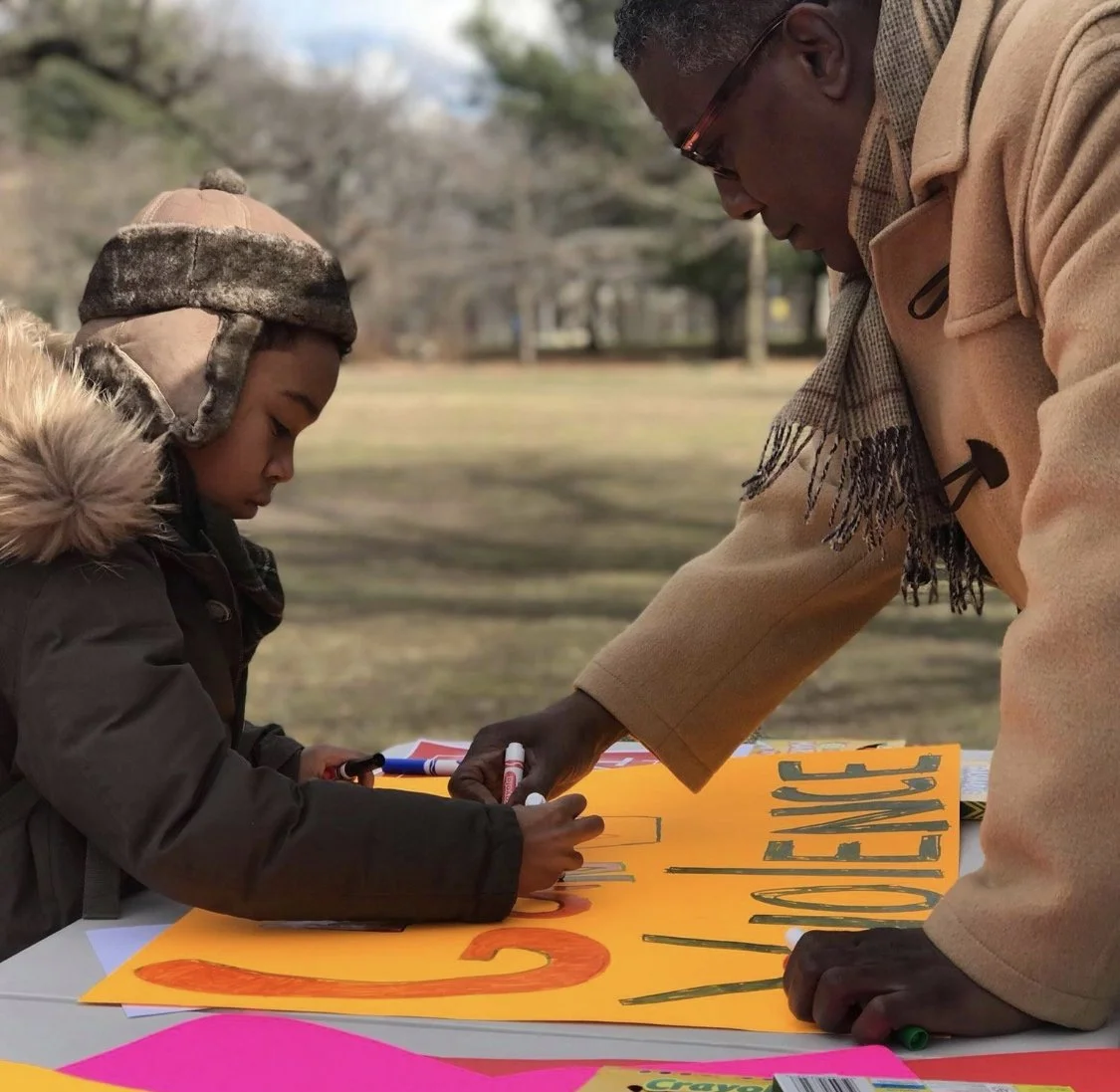
I believe men must be encouraged to become responsible husbands, present fathers, mentors and protectors of their communities. Fathers are not optional additions to family life. Their presence, discipline, example and love matter profoundly.
Supporting families means more than condemning people when they struggle. It means preparing young people for healthy relationships, supporting parents, mentoring boys and young men, strengthening marriages and helping families obtain education, employment, housing and economic stability.
Public policy should reinforce—not undermine—the formation and stability of families.
EDUCATION, EXCELLENCE AND PARENTAL CHOICE
Education changed my life. I have been a student at historically Black colleges, the University of Pennsylvania, Harvard Divinity School, Harvard’s Kennedy School, Union Theological Seminary and Princeton Theological Seminary. I have also served as a professor, PTA president, independent-school board member and father of children educated in public, private and historically Black institutions.
Every child deserves access to an excellent education, regardless of ZIP code or family income.
I support strong public schools, high academic standards, safe classrooms, accountable leadership and rigorous instruction in reading, writing, mathematics, science, history, civics and the arts. Schools must prepare students to think—not tell them what they are required to think.
Students should encounter different intellectual traditions and learn how to evaluate evidence, debate ideas and reach independent conclusions. Education becomes indoctrination when political theories are presented as indisputable facts and competing arguments are excluded.
Parents must have a meaningful voice in their children’s education. Families should have access to the educational setting that best serves their children, including traditional public schools, charter schools, independent schools, religious schools, vocational programs and historically Black colleges and universities.
Educational excellence must take priority over institutional politics.
SAFE COMMUNITIES AND FAIR JUSTICE
Every person has the right to live in a safe community. Public safety is a civil right, particularly for working families, older residents, small-business owners and children living in neighborhoods most affected by violence.
I oppose efforts to abolish or recklessly defund the police. Communities need well-trained, properly supervised and constitutionally accountable law-enforcement officers. They also need credible community organizations, violence-interruption programs, mental-health services, youth development and effective reentry programs.
Supporting public safety does not require ignoring police misconduct. We can demand effective policing while insisting upon transparency, professionalism, equal treatment and accountability under the law.
We must reject the ideological extremes that tell us we must choose between supporting law enforcement and protecting civil liberties. A responsible society must do both.
Criminal-justice policy should distinguish between violent offenders who threaten the community, people struggling with addiction or mental illness, and those capable of rehabilitation. Justice must protect the innocent, hold wrongdoers accountable and create genuine opportunities for redemption.
BLACK HOMEOWNERSHIP AND HOUSING
Homeownership has been one of the principal ways American families have created stability, transferred wealth and established a lasting stake in their communities.
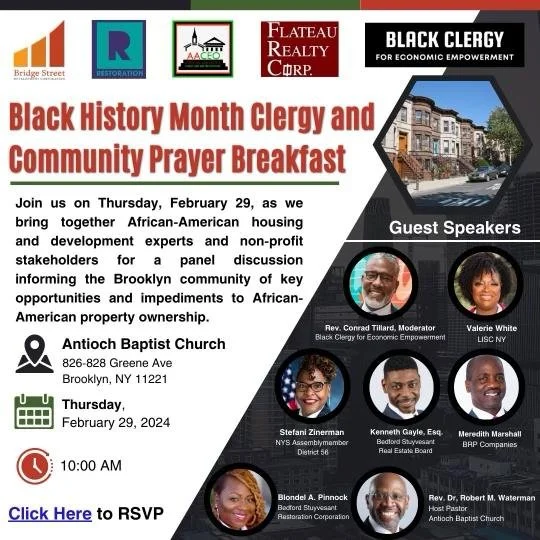
Black homeowners have historically faced discrimination through restrictive covenants, redlining, predatory lending, appraisal disparities and unequal access to credit. Having overcome those barriers, we must not permit Black homeownership to be weakened by displacement, excessive taxation, irresponsible development or policies created without the participation of the communities most affected.
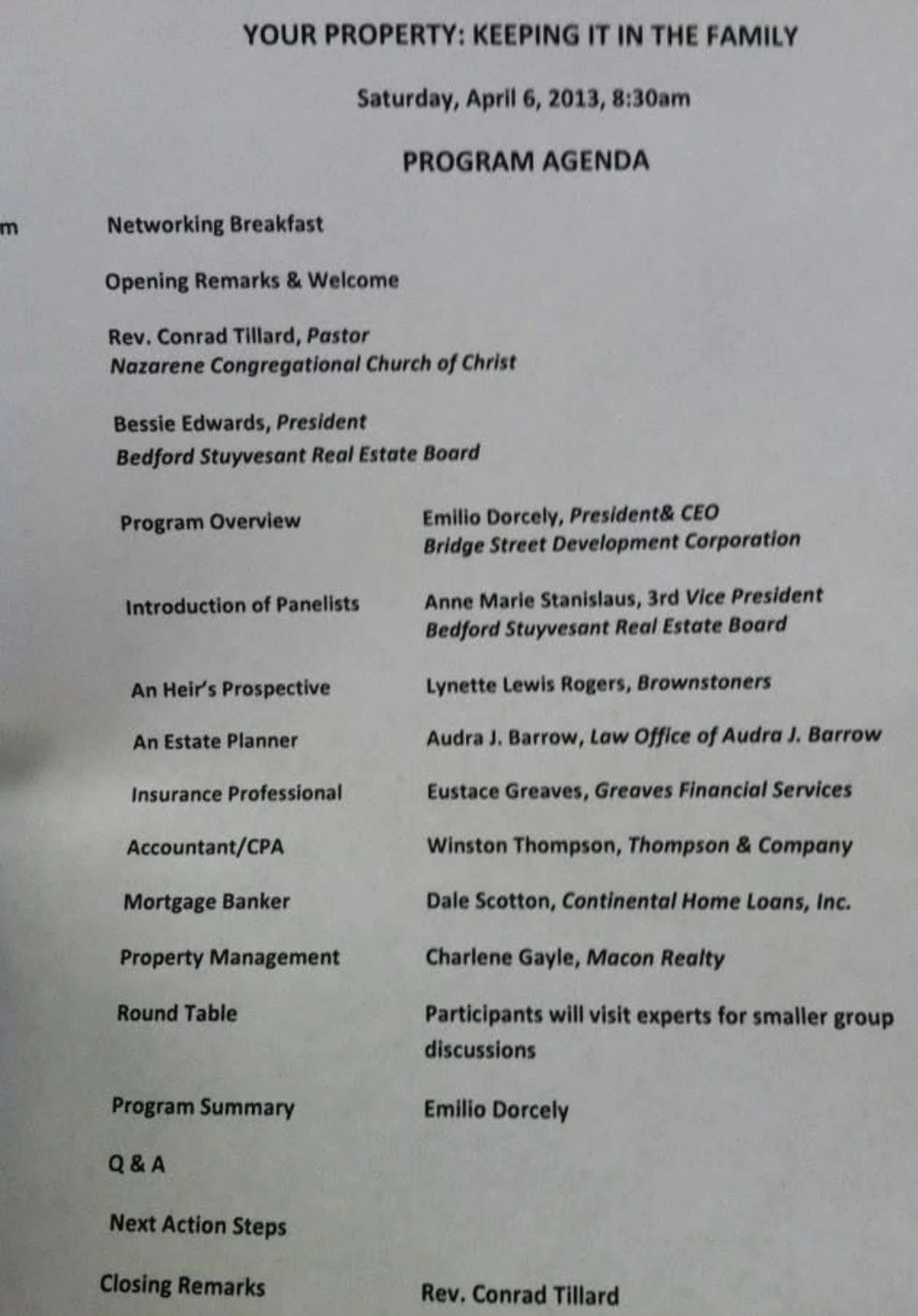
I support protecting existing homeowners, expanding responsible access to homeownership and helping families preserve property across generations. Estate planning, financial literacy, fair appraisals, foreclosure prevention and protection from deed theft must all be part of a serious Black wealth agenda.
I also support quality and affordable rental housing. Tenants and homeowners should not be treated as enemies. Healthy communities need both.

Housing policy must balance affordability, neighborhood stability, private-property rights and responsible development. Residents should have a meaningful voice in decisions that change the character and economic future of their neighborhoods.
When we protect Black homeowners, we protect Black communities, Black institutions and Black generational wealth.
JOBS, ENTREPRENEURSHIP AND THE FREE MARKET
Black Americans need greater access to ownership, capital, contracts, investment and family-sustaining employment.
The free market has produced extraordinary innovation, opportunity and prosperity. However, markets require fair rules. Crony capitalism, monopolistic behavior, predatory practices and political favoritism can prevent ordinary people and small businesses from competing.
I support a free-enterprise system that rewards work, innovation, savings, investment and entrepreneurship while enforcing fair competition and protecting citizens from exploitation.
We cannot discuss the racial wealth gap without also discussing the ownership gap, investment gap, business-development gap and the difference between consumption and long-term wealth creation.
Our communities need more homeowners, employers, investors, skilled tradespeople and business owners. We must teach financial literacy, encourage saving and investment, expand access to capital and ensure that Black businesses can compete for public and private contracts.
Black economic progress will not come from redistributing poverty. It will come from creating, owning and transferring wealth.
PRIVATE PROPERTY AND OPPOSITION TO SOCIALISM
I oppose socialism because private property, homeownership, entrepreneurship and independent institutions have been essential to Black freedom and advancement.
Black Americans spent generations fighting for the right to own land, establish businesses, build churches, create schools and accumulate wealth. We should not surrender those hard-won rights to an ideology that gives government increasing control over property, production and economic life.
I oppose political movements that treat private property as inherently unjust.
I oppose policies that discourage investment, ownership and entrepreneurship.

I oppose efforts to abolish institutions without credible plans to maintain order, protect rights, and meet human needs.
I oppose the idea that every economic disparity proves exploitation or that equality can be achieved by making government the primary owner and distributor of society’s resources.
Capitalism must be governed by laws, moral responsibility, and fair competition. It should be corrected when it becomes predatory, monopolistic or corrupt. But the answer to flawed capitalism is not socialism. The answer is a fairer, more competitive and more widely accessible free-enterprise system.
Black political leadership should make ownership available to more people—not attack the principle of ownership itself.
CULTURE, HIP-HOP AND RESPONSIBLE MEDIA
I have spent much of my public life engaging the hip-hop generation. I was once nationally known as the “Hip-Hop Minister,” and I have witnessed the culture’s extraordinary power to educate, organize, inspire and influence politics.
I have also challenged those parts of commercial hip-hop that glorify violence, misogyny, criminality, materialism and the degradation of Black life.
Artistic freedom is important, but culture has consequences. The images repeated through music, film, social media and advertising influence how young people understand manhood, womanhood, success, conflict and responsibility.
Criticizing destructive cultural messages is not an attack on young people. It is an affirmation that our children deserve better than being treated merely as consumers of profitable dysfunction.
Artists, executives, corporations, clergy, educators and parents all have responsibilities. We should support creativity while also demanding that powerful cultural institutions consider what they are teaching and selling to the next generation.
The same principle applies to political media. Journalism and commentary should inform the public, present competing perspectives and encourage independent thought—not simply mobilize ideological tribes.
CIVIL RIGHTS AND EQUAL OPPORTUNITY
The struggle for civil rights remains one of the noblest chapters in American history. Black Americans compelled the nation to confront the contradiction between its democratic promises and its discriminatory practices.
We must continue to oppose racism, antisemitism, discrimination, and unequal treatment under the law. We must defend voting rights, fair employment, equal access to education and the constitutional rights of every citizen.
At the same time, civil-rights leadership must address the practical challenges facing families today: education, public safety, employment, housing, health, family stability and wealth creation.
We cannot allow symbolic representation to replace measurable progress. Electing Black officials and appointing Black leaders are meaningful achievements, but representation must produce competent government, stronger institutions and better conditions for ordinary people.
Civil rights must ultimately mean that every person is treated with dignity, protected equally by the law and given a genuine opportunity to develop his or her God-given abilities.
POLITICAL INDEPENDENCE AND COMMON-SENSE LEADERSHIP
I have spent most of my life working within Black politics and the Democratic Party. I have supported historic campaigns, organized voters, and twice offered myself as a candidate for public office.
I also believe no political party or movement should receive unquestioning loyalty.
Black voters must be able to evaluate candidates and policies according to their actual effect on our families and communities. We should not be pressured into accepting an entire ideological program merely because it is presented as progressive, conservative, or racially enlightened.
I support common-sense Democratic leadership that can build broad coalitions, govern effectively, and address the everyday concerns of working people. I reject ideological purity tests that silence disagreement and treat independent thinking as betrayal. I also encourage Blacks to be active participants in the Republican Party and to become political independents, too.
Disagreement is not disloyalty. Debate is not hatred. A mature political community must be able to examine competing ideas without demonizing everyone who reaches a different conclusion.
My approach is guided by a simple question: Will this policy make families stronger, communities safer, schools better, citizens freer, and economic opportunity more widely available?
BLACK INSTITUTION-BUILDING
Political representation is important, but no people can depend entirely upon elected government for their progress.
Black Americans advanced by constructing institutions under extraordinarily difficult circumstances. We built churches, schools, colleges, businesses, banks, newspapers, civic associations, fraternities, sororities and mutual-aid organizations.
Those institutions gave our communities leadership, economic circulation, social discipline and collective memory. Many are now struggling, and some have disappeared.
We must renew the tradition of institution-building. That means supporting Black churches, HBCUs, community organizations, neighborhood businesses and responsible civic leadership. It also means demanding transparency, competence and accountability from the institutions that serve us.
The goal is not separation from America. The goal is to participate in American life from a position of strength, ownership, preparation and self-respect.
IMMIGRATION, TRADE AND AMERICAN WORKERS
America is a nation shaped by immigration, and every human being should be treated with dignity. But compassion and responsible government are not opposites.
A nation has the right and responsibility to maintain secure borders, enforce fair immigration laws and know who is entering the country. Immigration policy must consider its effect on wages, housing, schools, public services and employment opportunities—particularly for working-class Americans and historically disadvantaged citizens.
Trade policy should also serve American workers and communities. Globalization, deindustrialization and poorly structured trade agreements have devastated many cities and removed stable employment from working families.
I support fair trade rather than blind allegiance to unrestricted global markets. American policy should encourage domestic production, protect strategically important industries and prevent corporations from enriching themselves by abandoning the workers and communities that helped build them.
Economic policy must serve the nation’s people, not merely multinational corporations or abstract economic theories.
LEADERSHIP, ACCOUNTABILITY AND REDEMPTION
Public leadership requires conviction, but it also requires humility.
My own life has included strong beliefs, public controversy, mistakes, spiritual transformation and intellectual change. I do not present myself as someone who has always been right. I present myself as someone who has continued to learn.
Accountability is essential, but a society that believes in justice must also believe in the possibility of growth, forgiveness and redemption. We should judge people honestly, examine the full record and recognize genuine change when it occurs.
Leaders should tell the truth, accept responsibility and remain open to correction. They should also have the courage to speak unpopular truths when fashionable opinion conflicts with experience, faith or common sense.
A PRACTICAL AGENDA FOR STRONGER COMMUNITIES
My public work is organized around six essential commitments:
Reclaim faith and moral responsibility.
Rebuild a strong culture of marriages and families.
Restore educational excellence and parental authority.
Create safe, orderly, and healthy communities through normalizing positive culture.
Fully engage in civic and political matters, increase voter participation, and expand voter education.
Revive self-reliance through entrepreneurship, support Black-owned businesses, and encourage gainful employment.
These commitments do not fit perfectly within a conventional left-right spectrum. They arise from history, faith and more than forty years of experience.
I remain committed to justice, but justice must produce stronger people and stronger institutions. I believe in compassion, but compassion must be joined with responsibility. I believe in political action, but politics cannot substitute for family, faith, education, culture and economic ownership.
The future of Black America will not be secured by ideology alone. It will be built—as it has always been built—through faith, courage, sacrifice, knowledge, ownership and organized community life.